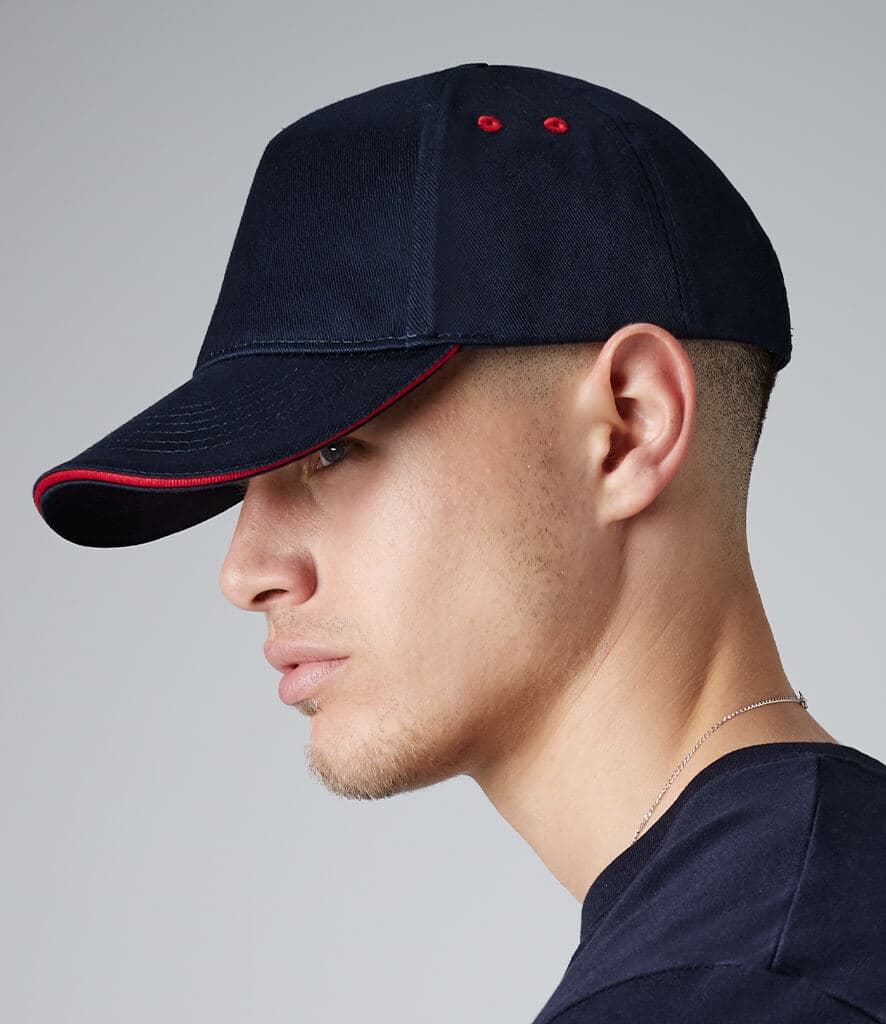
Guides12 Feb 20265 min read
How to choose the right garment for embroidery
Not every fabric embroiders the same way. A few minutes understanding how the thread sits can save a lot of disappointment later.
Read the piece →Free UK delivery over £100 + VAT. No minimum order quantity. Shipping info
The Journal
How to choose the right garment, care for embroidered workwear, and get the most from your order. Written by the people who make the kit.
Not every fabric embroiders the same way. A few minutes understanding how the thread sits can save a lot of disappointment later.
Read the piece →
Embroidery is durable but not indestructible. A few habits will keep logos crisp through hundreds of washes.
Embroidery is not print. The better the artwork brief, the better the finished result. Here is what we need.
A polo under a softshell is obvious. A coordinated crew kit that looks intentional takes a little more planning.
By Vanessa Bizzell
Not every fabric embroiders the same way. A few minutes understanding how the thread sits can save a lot of disappointment later.
The most common mistake customers make is choosing a garment for how it looks online, without thinking about how the thread will sit in the fabric. A loose, open weave looks great as a plain polo but can cause thread loops and pull distortion on embroidered logos with fine detail.
Pique polo shirts are the workhorse of embroidered workwear for good reason. The structured weave holds the needle path cleanly and the thread sits flush rather than sinking in. Hoodies and fleeces have more give, which means the digitising needs to compensate for stretch. We handle that in-house.
Left-chest placement is the standard for a reason: it is readable at conversational distance, sits on a flat panel, and works across every garment in the range. Sleeve and back placement are available and suit certain briefs, but they introduce more variables (seam proximity, fabric movement) that affect the finished look.
The garment choice is half the brief. Get that right and the embroidery takes care of itself.
Not sure which garment suits your artwork best? Tell us the stitch count on your logo (or share the file) and we will give you an honest recommendation before you order. Find us on the contact page.
By Vanessa Bizzell
Embroidery is durable but not indestructible. A few habits will keep logos crisp through hundreds of washes.
Embroidered logos fail early for two reasons: the wrong wash temperature, and abrasion from washing against rough items. Neither needs to happen.
The stabiliser backing on the inside of the embroidery is what keeps the design flat and prevents distortion. Do not cut it out, even if it feels scratchy against a collar. It is there to stop the design warping through repeated wear.
Looking after workwear is the most straightforward sustainability decision there is. Read more about how we source and produce on the about page.
By Max Revitt
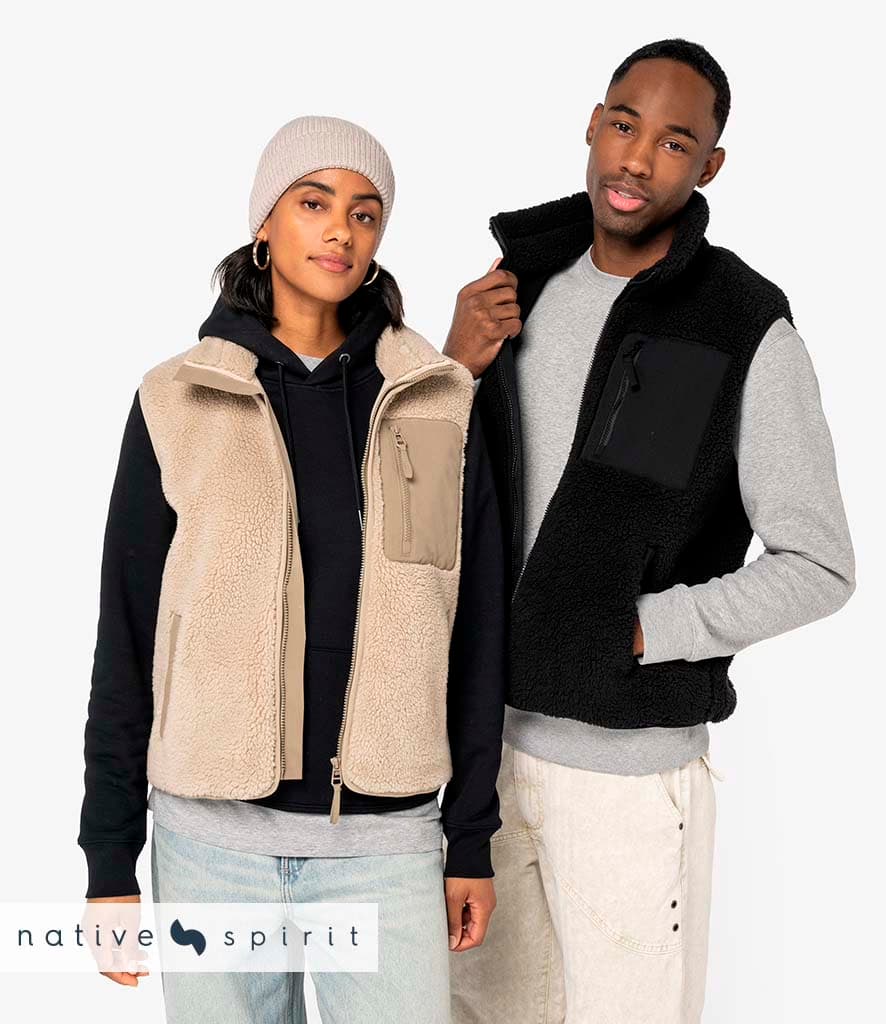
Embroidery is not print. The better the artwork brief, the better the finished result. Here is what we need.
A print-ready logo file is not always embroidery-ready. Screen print reproduces fine hairlines and gradients easily. Embroidery translates everything into thread, so very thin lines, very small text and gradient fills all need special handling.
Bold, solid shapes with clearly defined edges embroider cleanly and look sharp at any size down to about 20mm. Text works well at 8mm cap height and above. Below that, letterforms start to merge.
We would rather tell you upfront that a detail needs adapting than produce something that doesn't match what you expected.
We accept vector files (AI or EPS), high-resolution JPG or PNG artwork, and PDF files. We digitise in-house and send a proof before stitching. If you are not happy with the proof, we revise it before anything goes to a garment.
By Max Revitt
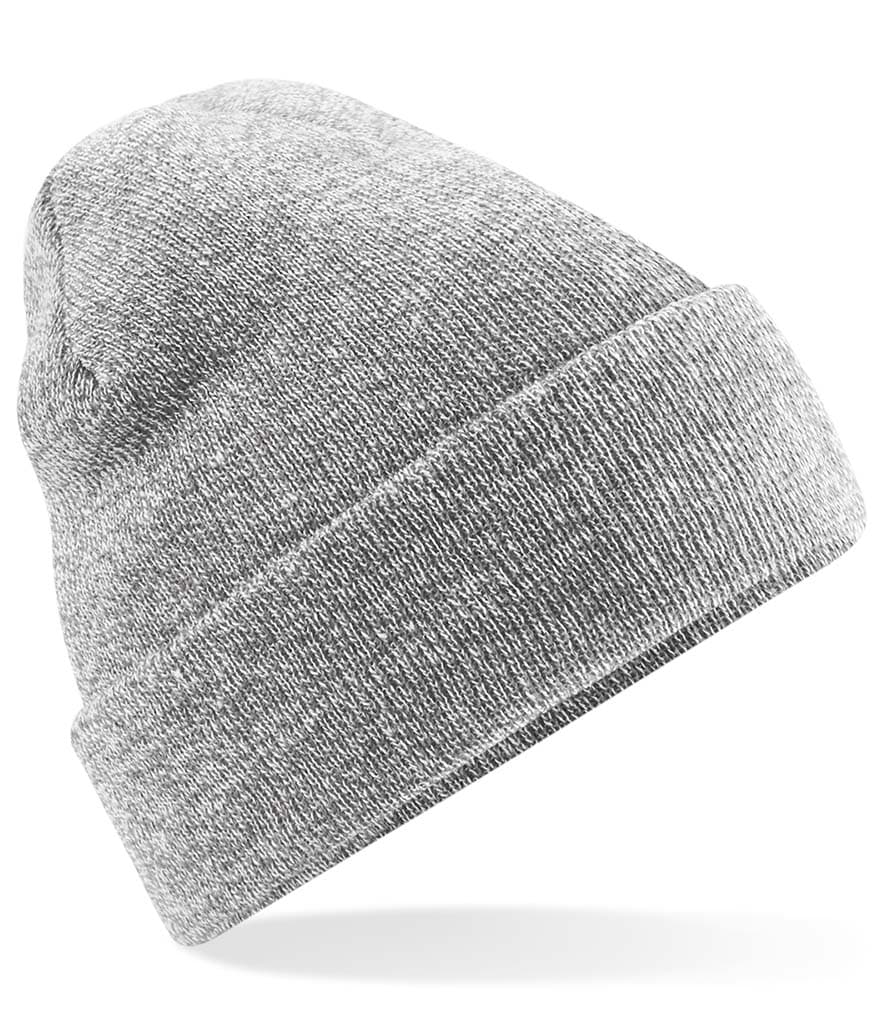
A polo under a softshell is obvious. A coordinated crew kit that looks intentional takes a little more planning.
Site crews, groundskeepers, event staff and trade teams all face the same challenge: garments that work in varying conditions and still look like a coherent uniform. The answer is a layering system where every piece carries the same logo and colour story.
Order all three with the same embroidered artwork and the crew looks coordinated whether they are in a polo on a warm day or layered up in a jacket in January.
The workwear bundle is the easiest way to start. One order, matched embroidery on every piece. See the lookbook for how it comes together.